

For a first car-free outing, we’d choose Sun Moon Lake, or Xitou for a shaded forest walk. Don’t combine Sun Moon Lake, Qingjing and Xitou in one day. If staying overnight, pick the next area based on where you’re sleeping.
Yuchi: Lakeside walk, cycle, boat or theme park
- Shuishe Pier: Board boats at the pier. Buses serve the Shuishe area and pier hours are not boat timetables.
- Ita Thao: A Thao Indigenous community and lakeside shopping area. Shops set their own hours; stop for lunch after getting off the boat.
- Xiangshan Visitor Center: For cycling, focus on Shuishe to Xiangshan instead of combining a full loop with a boat ride.
- Wenwu Temple: On a different stretch of shoreline. Arrange transport rather than treating this as part of an easy walk in Shuishe.
- Sun Moon Lake Ropeway: Links the Ita Thao side with the Formosan Aboriginal Culture Village end. A separate ropeway ticket does not include amusement park admission.
- Formosan Aboriginal Culture Village: If entering the park, make it the main outing, not an extra on a short lake circuit.
Ren’ai highlands: Qingjing or Wuling
- Green Green Grassland, Qingjing Farm: Check the farm’s visitor information. Make the grassland your main stop and don’t assume the same shows run every day.
- Wuling: An optional stop rather than a required extension from Qingjing. Check live conditions on Provincial Highway 14A. Stay around Qingjing during traffic restrictions, dense fog or a parking crunch; don’t use the shoulder for photos.
Lugu and Zhushan: Forest or temple
- Xitou Nature Education Area: Allow a half-day and pick a walk to suit your group.
- Monster Village: This shopping street near Xitou is separate from the education area. Decide whether to stop after the forest walk.
- Shanlinxi: A separate park for forests and waterfalls, not another trail inside Xitou.
- Zinan Temple, Zhushan: Plan a Zhushan day around a temple visit, rather than assuming it’s on the way from every mountain area.
Shuili and Puli: Railway or village
- Checheng: See railway and timber history and the log pond in Shuili Township. Check that your chosen Taiwan Railway Jiji Line train serves Checheng on your travel day; don’t rely on old replacement bus notices.
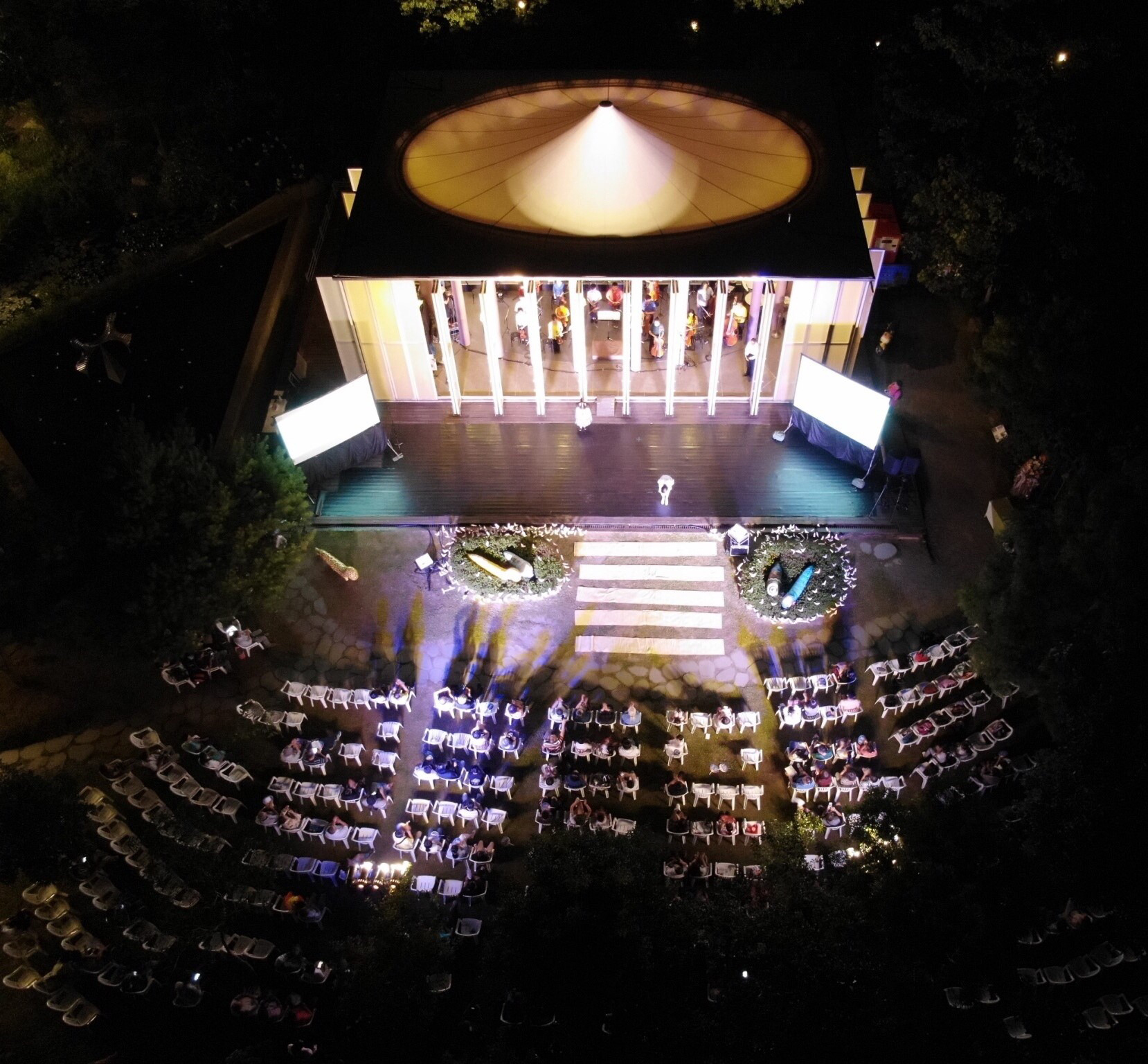
- Puli Paper Dome: In Taomi, a separate stop for architecture and village walks, not part of a downtown Puli walk.
Sun Moon Lake day trip | Xitou day trip | Taiwan Railway schedules
Tours, tickets and stays
Photos and credits


Further reading and official information
- More information · tonighttravels.com
- More information · tonighttravels.com
- More information · tonighttravels.com
- More information · tonighttravels.com
- More information · tonighttravels.com
- More information · tonighttravels.com
- More information · tonighttravels.com
- More information · tonighttravels.com
- More information · tonighttravels.com
- More information · tonighttravels.com
- More information · tonighttravels.com
- More information · tonighttravels.com
- More information · tonighttravels.com
- More information · tonighttravels.com
- More information · tonighttravels.com
- More information · tonighttravels.com
- More information · tonighttravels.com
- More information · tonighttravels.com
- More information · tonighttravels.com
- More information · tonighttravels.com
- More information · tonighttravels.com
- More information · tonighttravels.com
- More information · tonighttravels.com
- More information · tonighttravels.com
- More information · tonighttravels.com
- More information · tonighttravels.com
- More information · tonighttravels.com
- More information · tonighttravels.com
- More information · travel.nantou.gov.tw
- More information · www.sunmoonlake.gov.tw
- More information · www.cingjing.gov.tw
- More information · www.exfo.ntu.edu.tw
- More information · tonighttravels.com
- More information · tonighttravels.com