

On a first trip, give Magong half a day, Baisha and Xiyu a day, and leave a flexible slot for Huxi tides or an outer island. With only two days, stay on the main connected islands rather than depending on a ferry before your flight home.
Main islands
- Kuibishan tidal crossing (Huxi): Check the day's tide table, then wait for on-site permission. Exposed gravel is not permission. Stay in the marked corridor, don't climb Chiyu, and return immediately if water rises or staff call for evacuation. If closed, use a permitted shore viewpoint.
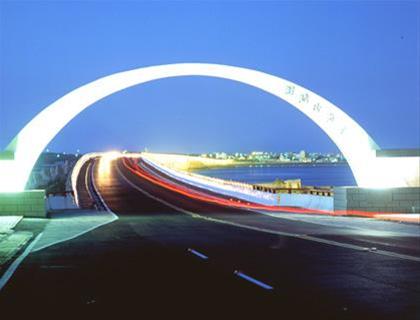
- Penghu Great Bridge (Baisha to Xiyu): Stop for photos only in designated areas by the bridge entrance, not on the bridge or in a traffic lane.
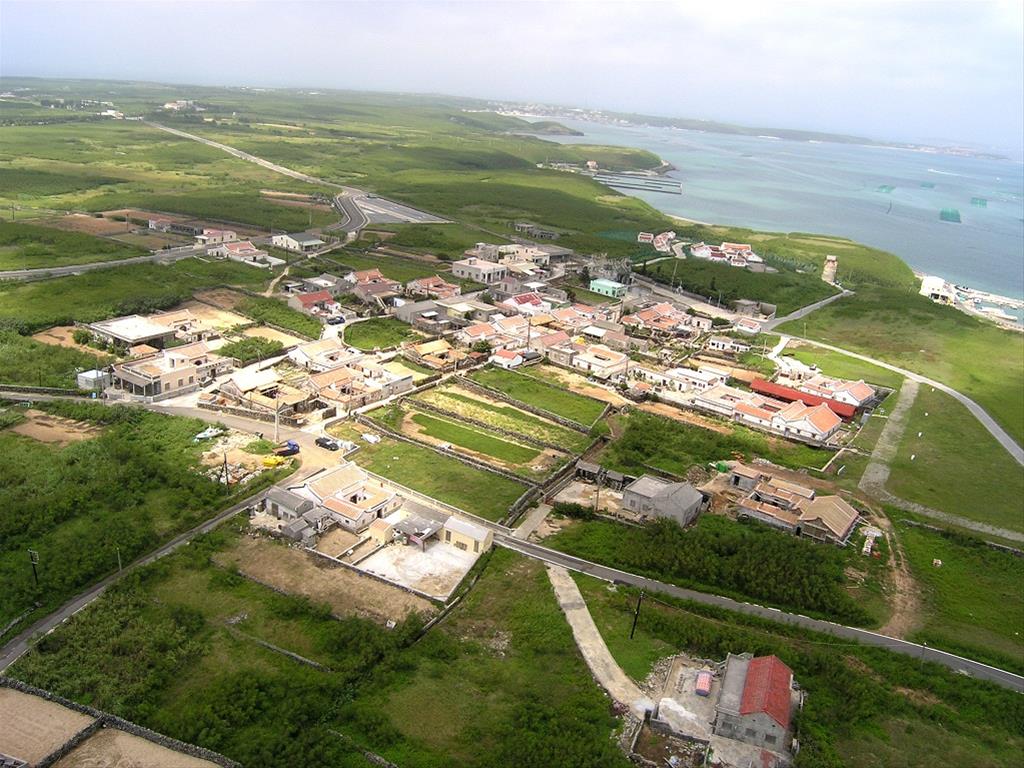
- Erkan Village (Xiyu): Explore the public lanes and stone houses; individual houses and shops set their own hours.
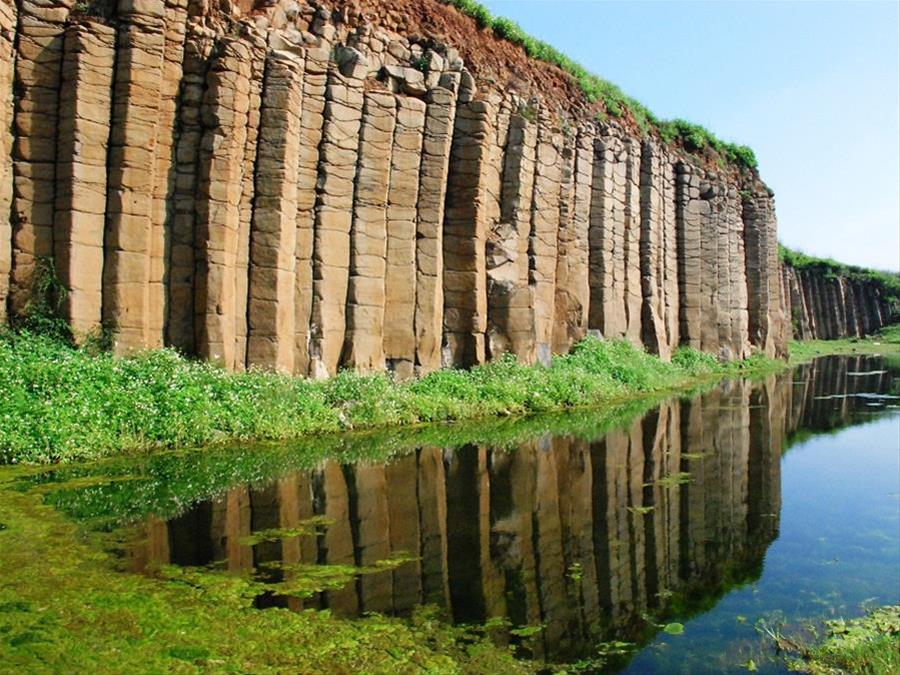
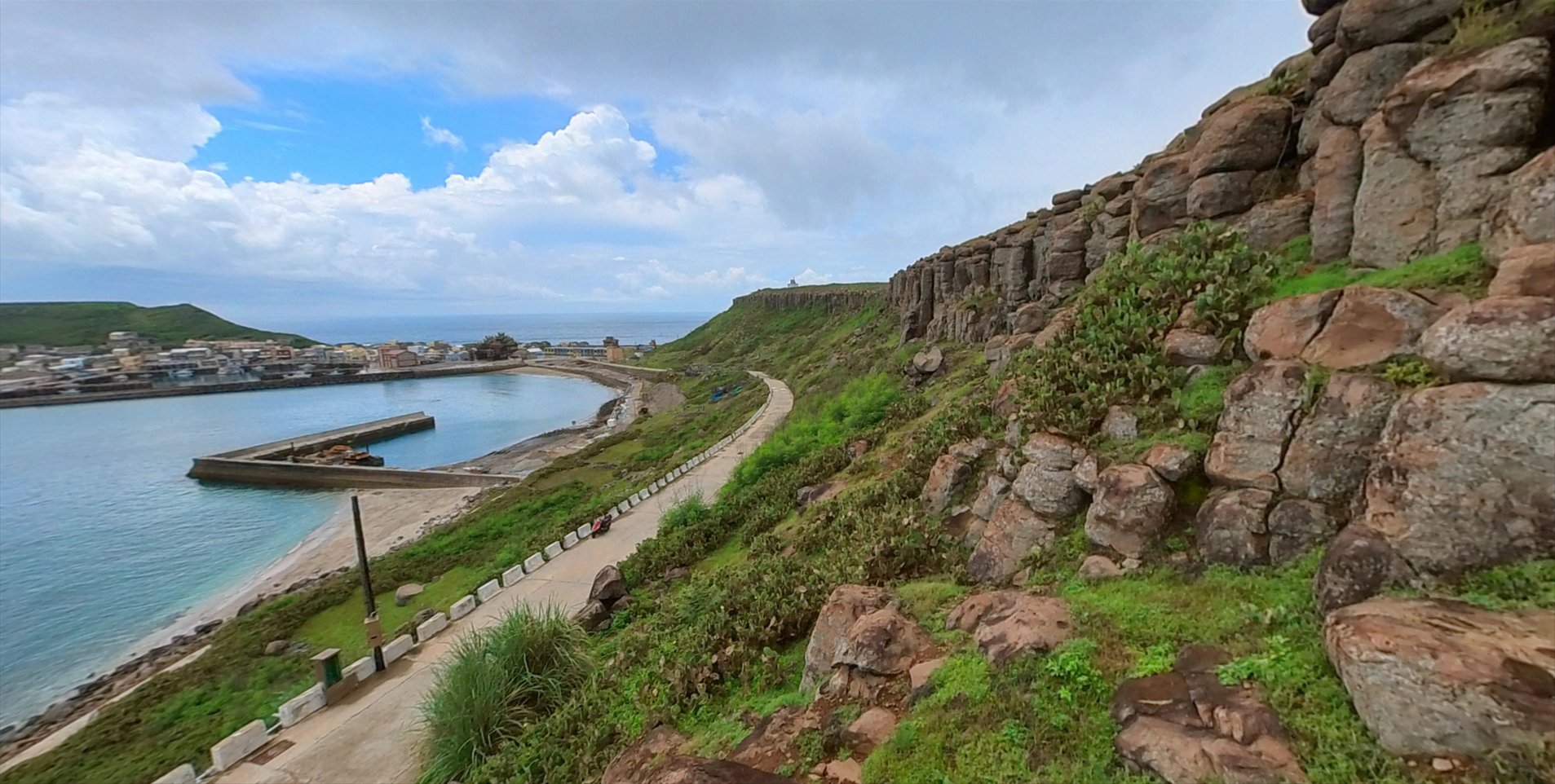
- Daguoye Columnar Basalt (Xiyu): View the rock columns from open areas. Don't count on seeing reflections every day.
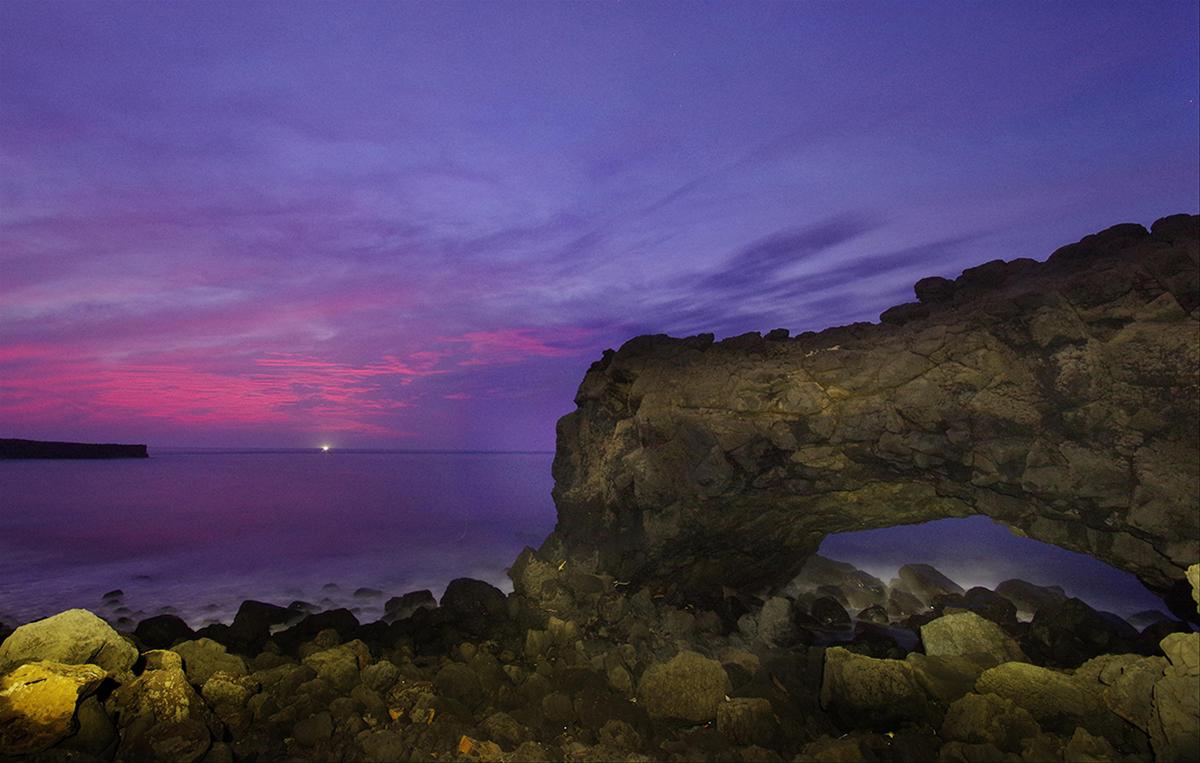
- Whale Cave (Xiaomen Islet, Xiyu): View the sea arch without entering closed rocky shoreline. Pick two from Whale Cave, Erkan and Daguoye.
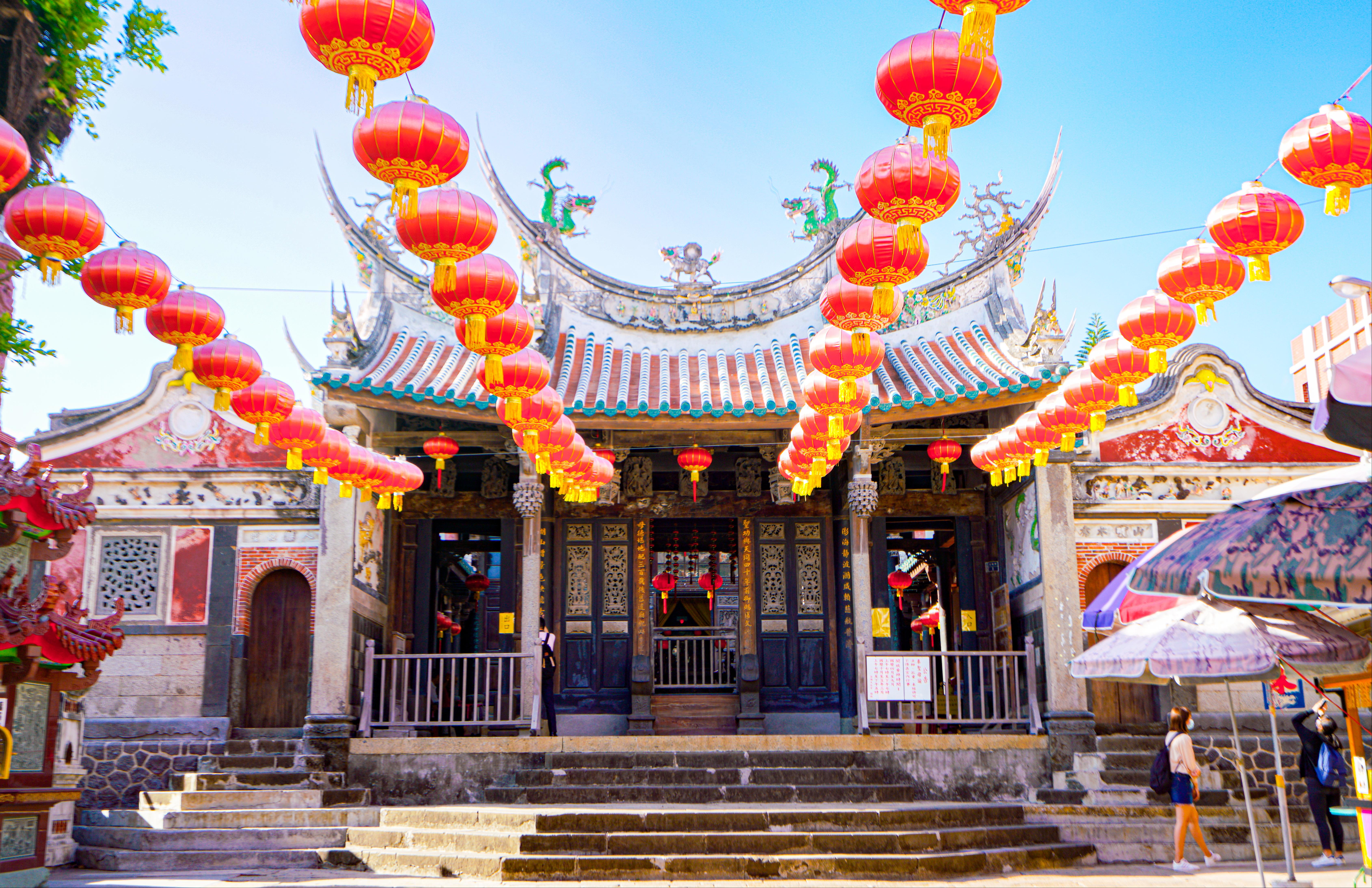
- Penghu Tianhou Temple (Magong): Pair it with Central Old Street for a short arrival-day walk.
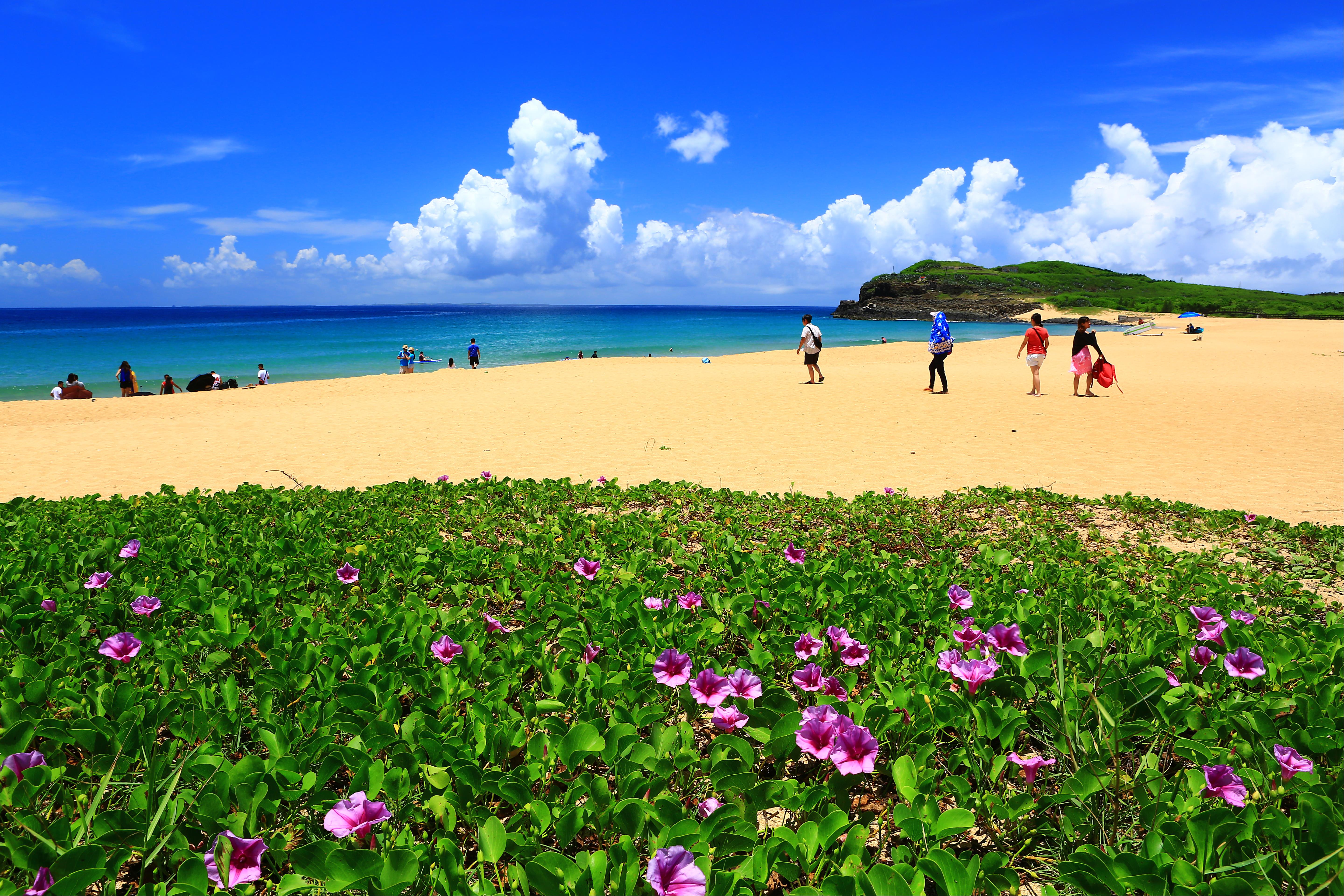
- Shanshui Beach (southern Magong): Walk by the sea; there's no need to cover Aimen on the same day.
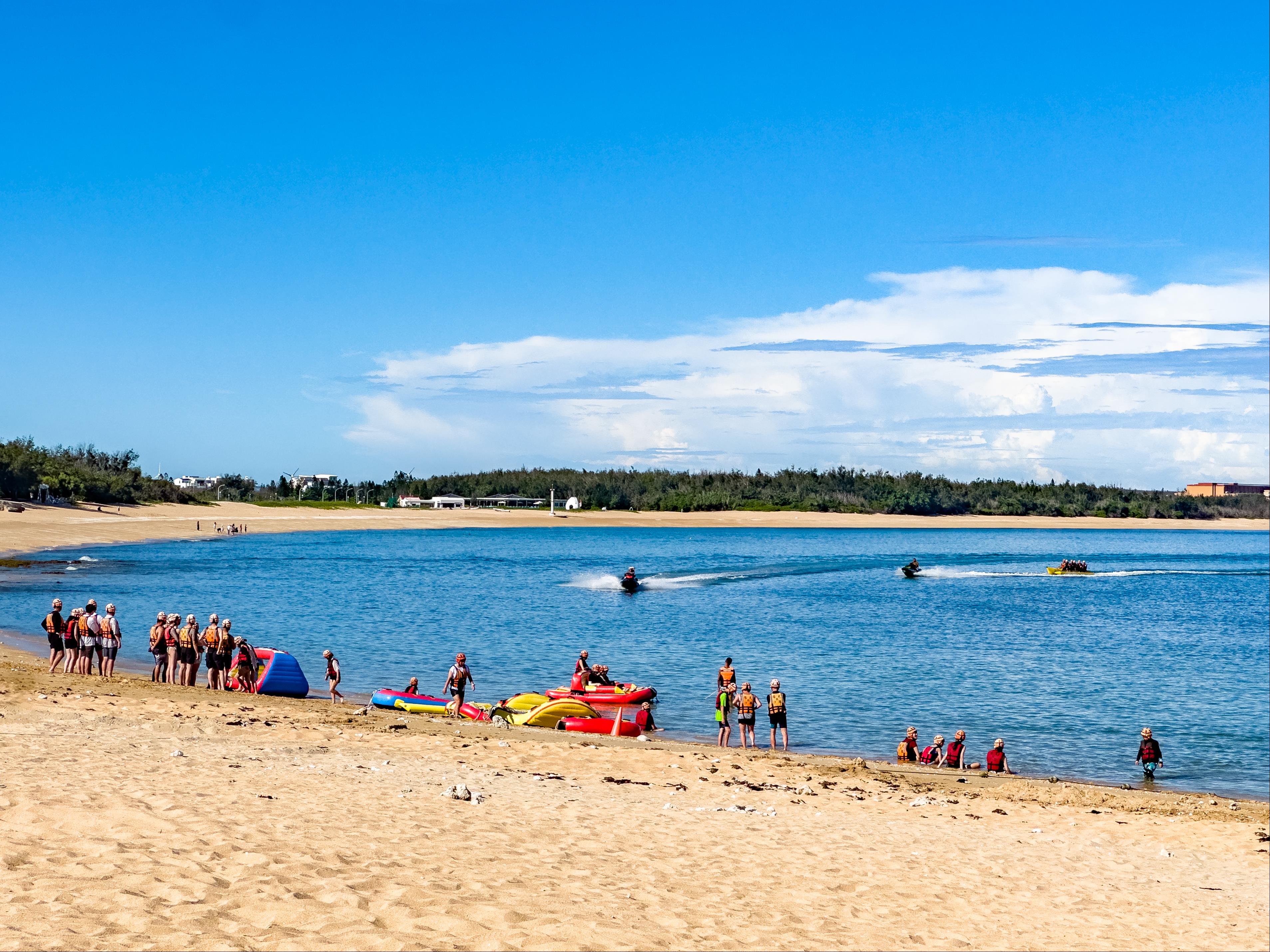
- Aimen Beach (Huxi): Add it only if there is time. An open beach doesn't mean open water. Stay ashore if access is restricted, seas are rough, or no supervised swimming zone is open.
Outer islands
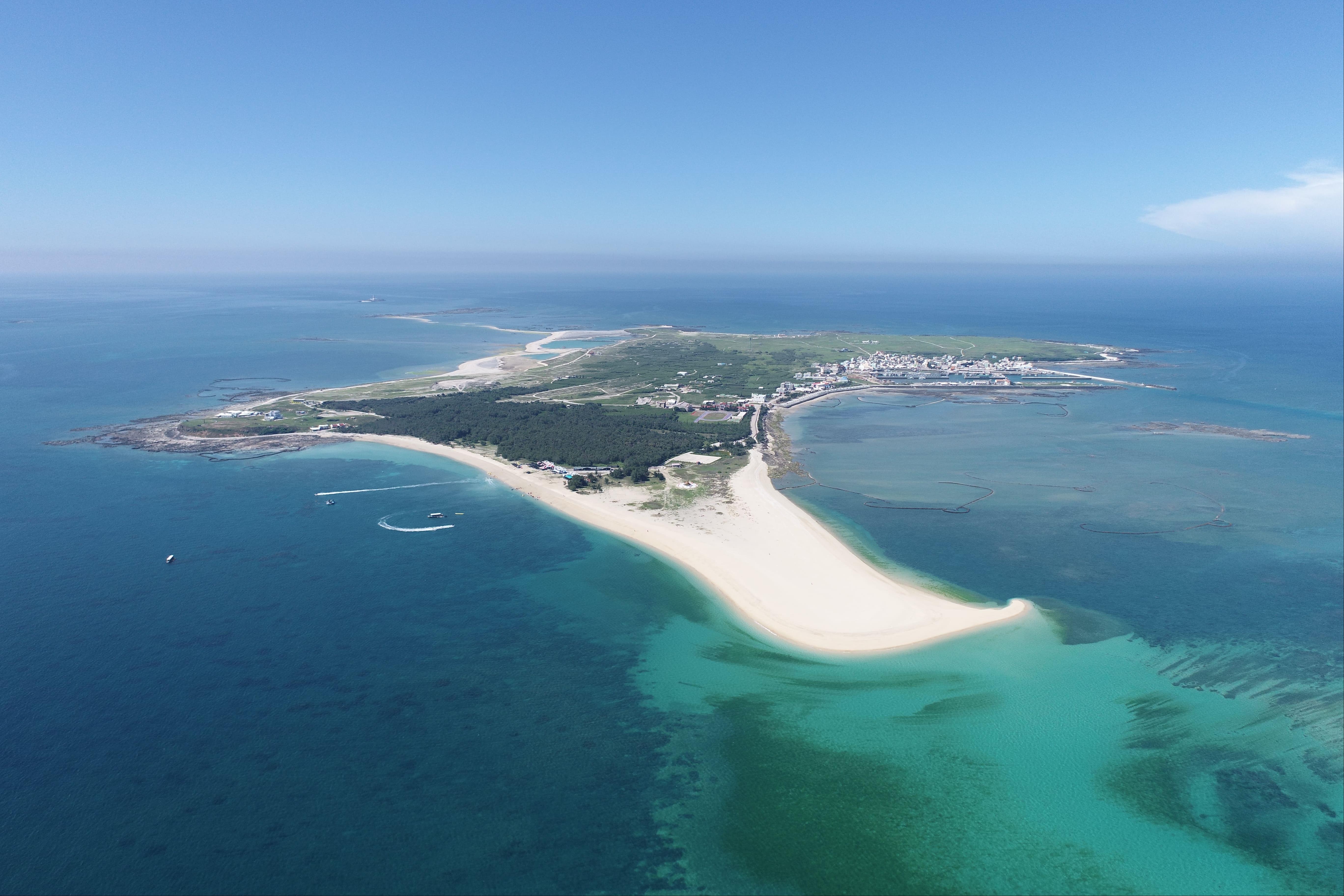
- Jibei Sand Spit (North Sea): Boats commonly leave from the North Sea Visitor Center at Chikan in Baisha. Check both directions. A visible spit is not permission to wade.
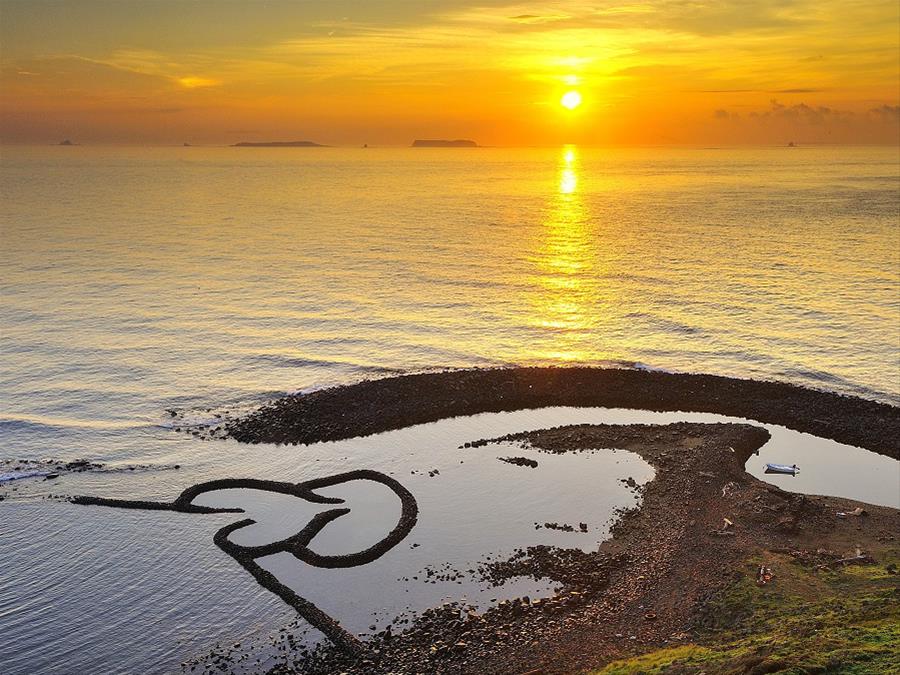
- Twin Hearts Stone Weir (Qimei, South Sea): Use the public viewpoint. The tide affects the view; don't climb down to the weir.
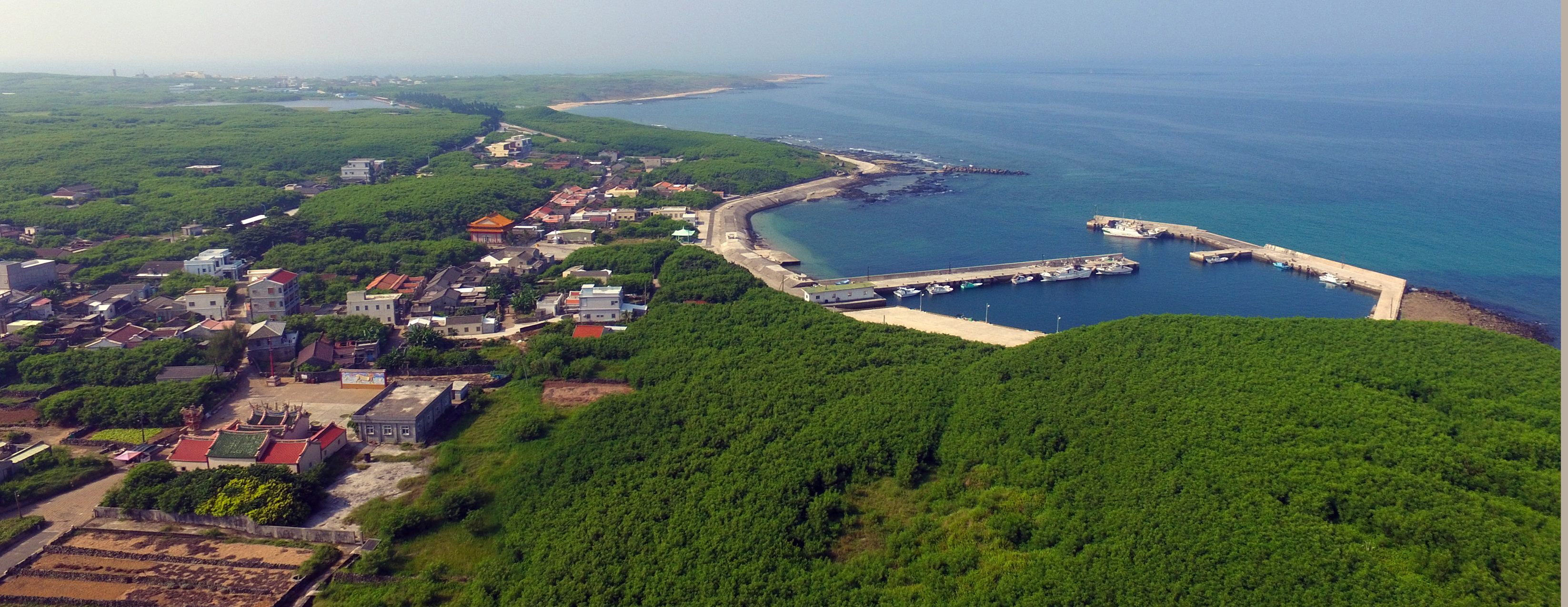
- Huazhai Village (Wang'an, South Sea): Public outdoor lanes are separate from visitor-base tours. Book those services at least one week ahead; there is no same-day booking. Don't assume a village-wide entrance ticket.
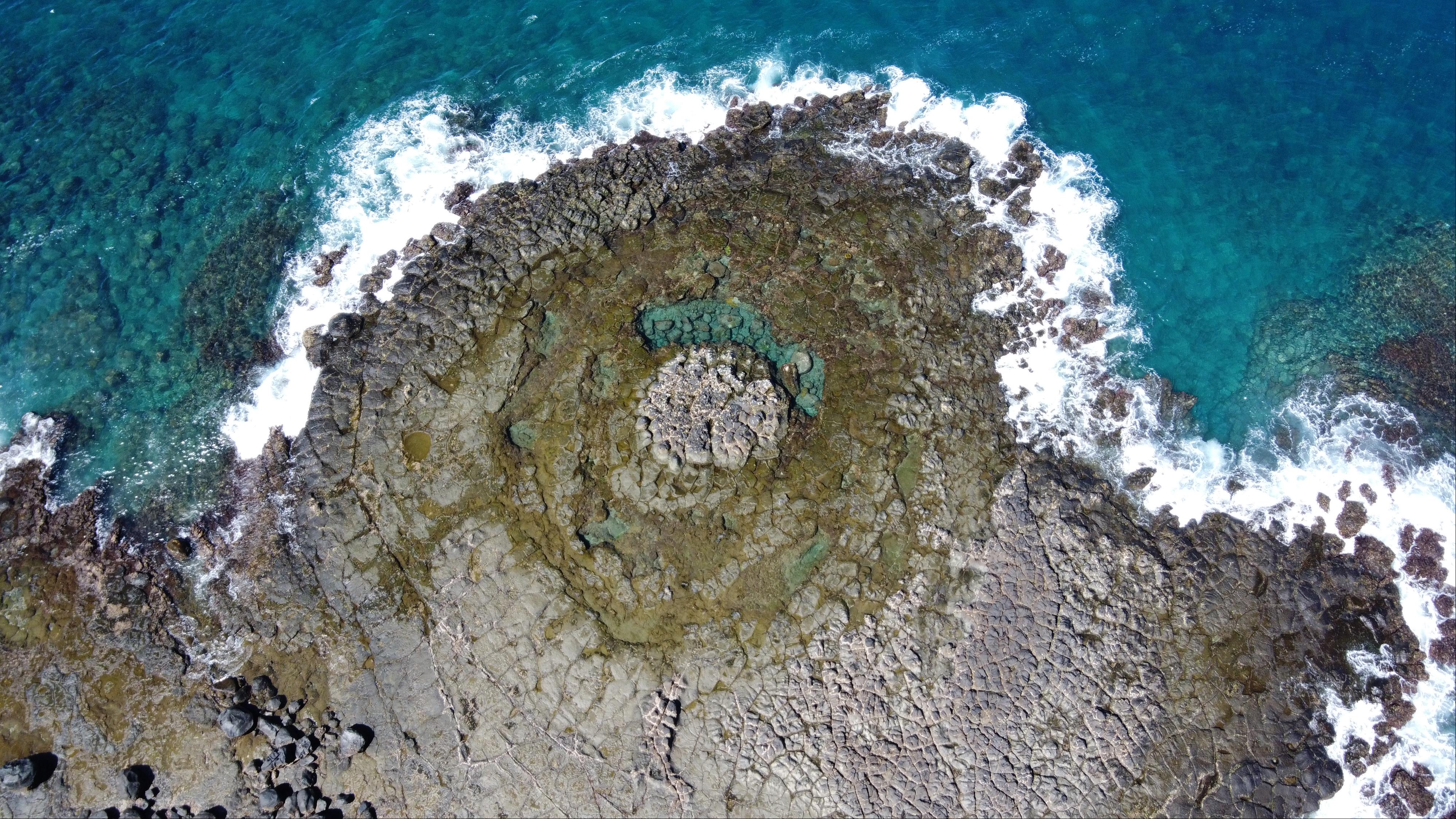
- Tongpan Islet (South Sea): Come for the basalt coastline. Check whether the sightseeing boat lands.
- Hujing Islet (South Sea): More basalt coastline; check landing, time on shore and the return sailing before booking.
Split Xiyu and Huxi; use Magong streets as a fallback if tides or sailings don't line up. Choose North Sea or South Sea. To pair Qimei and Wang'an, check every sailing, time on each island and the return to Magong; a ferry ticket doesn't guarantee sightseeing time. Use the current festival announcement rather than fixed months for the fireworks.
Kuibishan tides · Island transport · County ferries · Huazhai services
Tours, tickets and stays
Photos and credits
Further reading and official information
- More information · tonighttravels.com
- More information · tonighttravels.com
- More information · tonighttravels.com
- More information · tonighttravels.com
- More information · tonighttravels.com
- More information · tonighttravels.com
- More information · tonighttravels.com
- More information · tonighttravels.com
- More information · tonighttravels.com
- More information · tonighttravels.com
- More information · tonighttravels.com
- More information · tonighttravels.com
- More information · tonighttravels.com
- More information · tonighttravels.com
- More information · tonighttravels.com
- More information · tonighttravels.com
- More information · tonighttravels.com
- More information · tonighttravels.com
- More information · tonighttravels.com
- More information · tonighttravels.com
- More information · tonighttravels.com
- More information · tonighttravels.com
- More information · tonighttravels.com
- More information · tonighttravels.com
- More information · tonighttravels.com
- More information · tonighttravels.com
- More information · tonighttravels.com
- More information · www.taiwan.net.tw
- More information · www.penghu-nsa.gov.tw
- More information · tonighttravels.com
- More information · tonighttravels.com